Customers
How to understand your food business customers better
Understanding customers means observing who comes, what they prefer, and which signals suggest they may come back.

What should you observe about your customers?
Separate who buys, preferences, experience, and return.

Who
Who buys
Observable behaviors and contexts, not invented profiles
Preferences
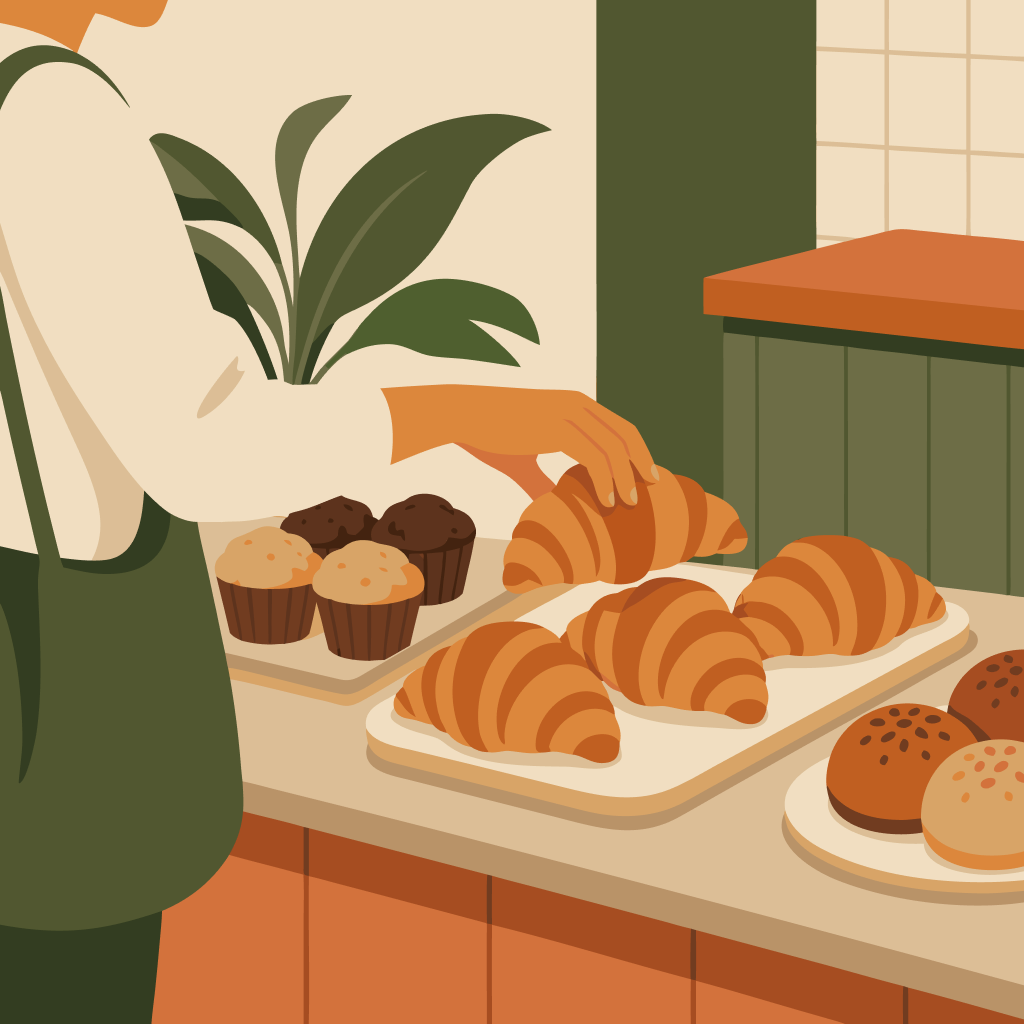
What they choose and repeat
Products and combinations that signal interest

Experience
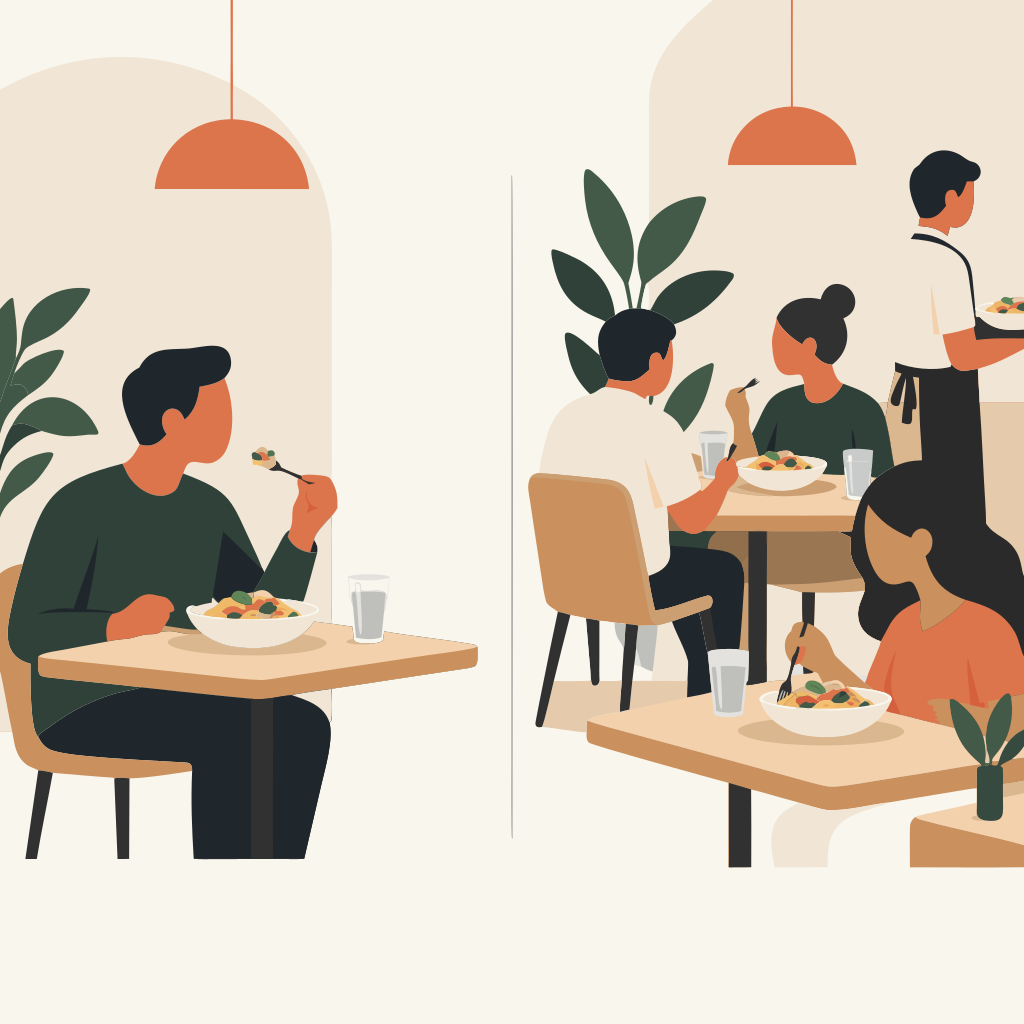
What they experience
Friction, expectations, and moments that shape perception

Return
What makes them come back
Signals that help explain repeat visits
Understanding customers means observing behavior, not guessing
The team's impressions can be useful, but they become stronger when compared with choices, frequency, comments, and context.
You do not need complex customer profiles to start.
Look for simple patterns first: what gets ordered, when it happens, what repeats, and which questions appear during the experience.
Feedback needs context
One review, comment, or answer does not automatically represent every customer.
Listening becomes more useful when you can connect the comment with the moment and experience that produced it.
The question is not only what one person said, but which business decision deserves review when the same signal also appears in other behaviors.
Loyalty is more than discounts
Coming back can depend on remembering a good experience, finding a favorite item, trusting consistency, or feeling that the business fits a specific occasion.
An incentive can help, but it does not replace an experience worth repeating.

Repeat behavior grows when the promise, product, and operations give people clear reasons to choose the business again.